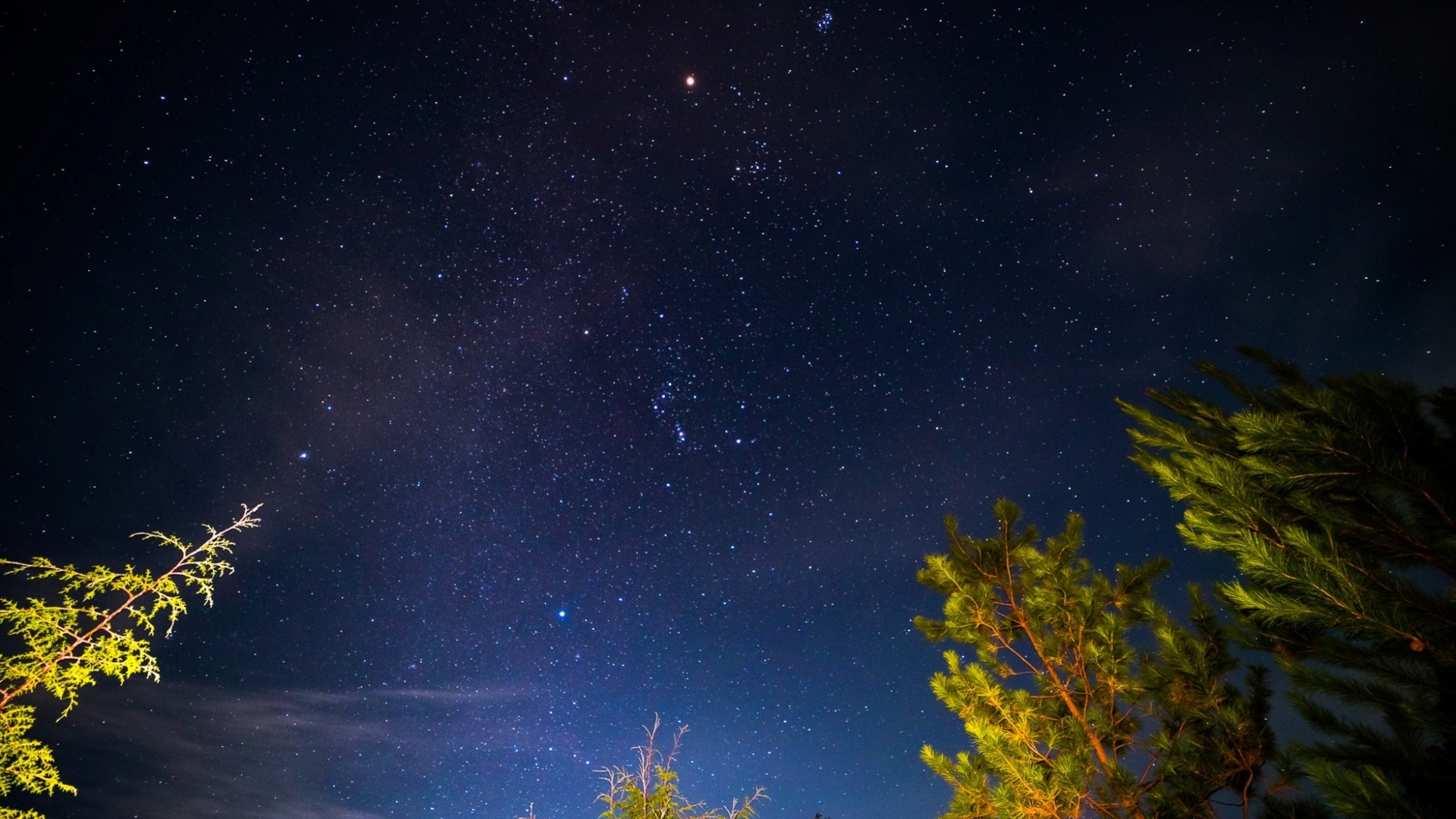
The most intense meteor shower of the year. Under the best sky in Tlaxcala.
Star shower
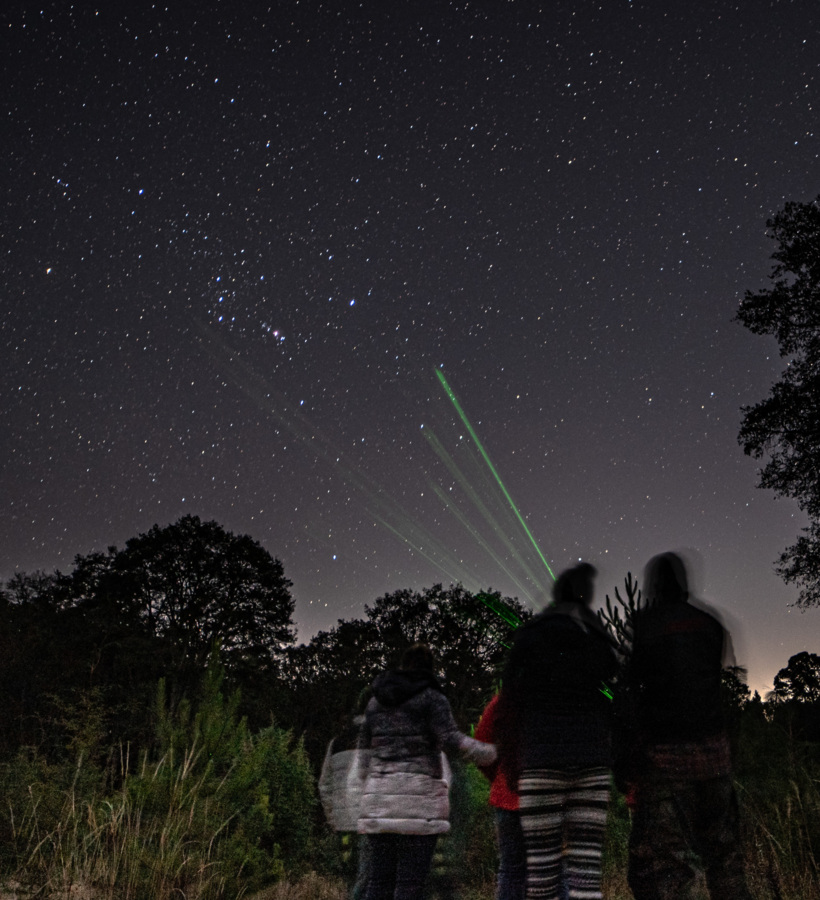
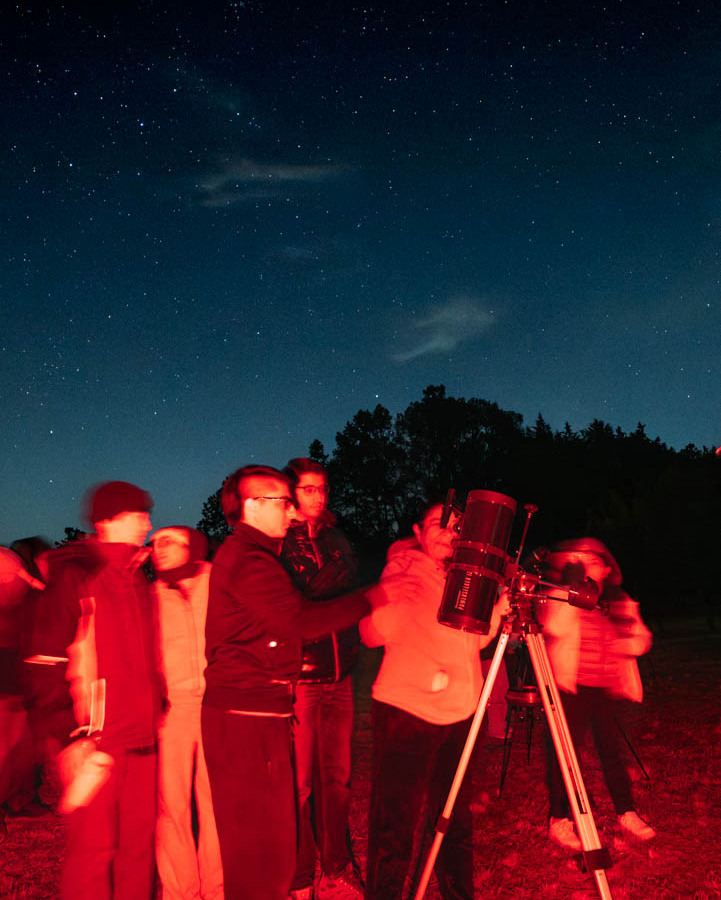
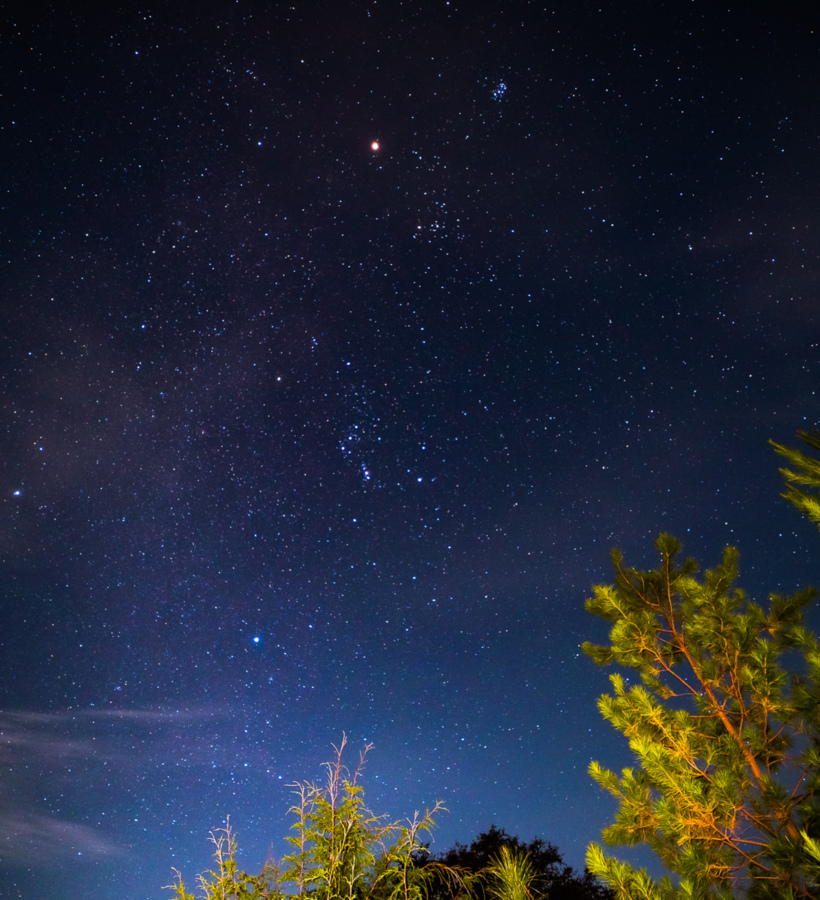
Come and take a look at the celestial vault, the dark skies of Canto del Bosque during the fall and winter seasons are ideal for seeing shooting stars, these astronomical phenomena are unique during the year, our sidereal observation will be based on the Orionid, Leonid and Geminid meteor showers.
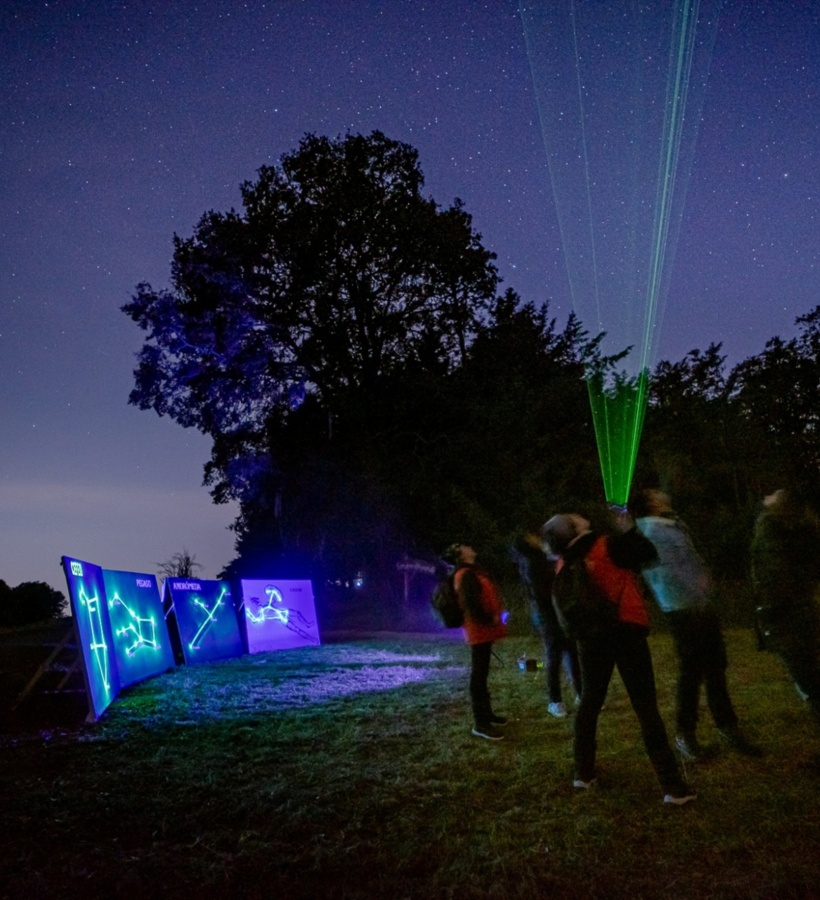
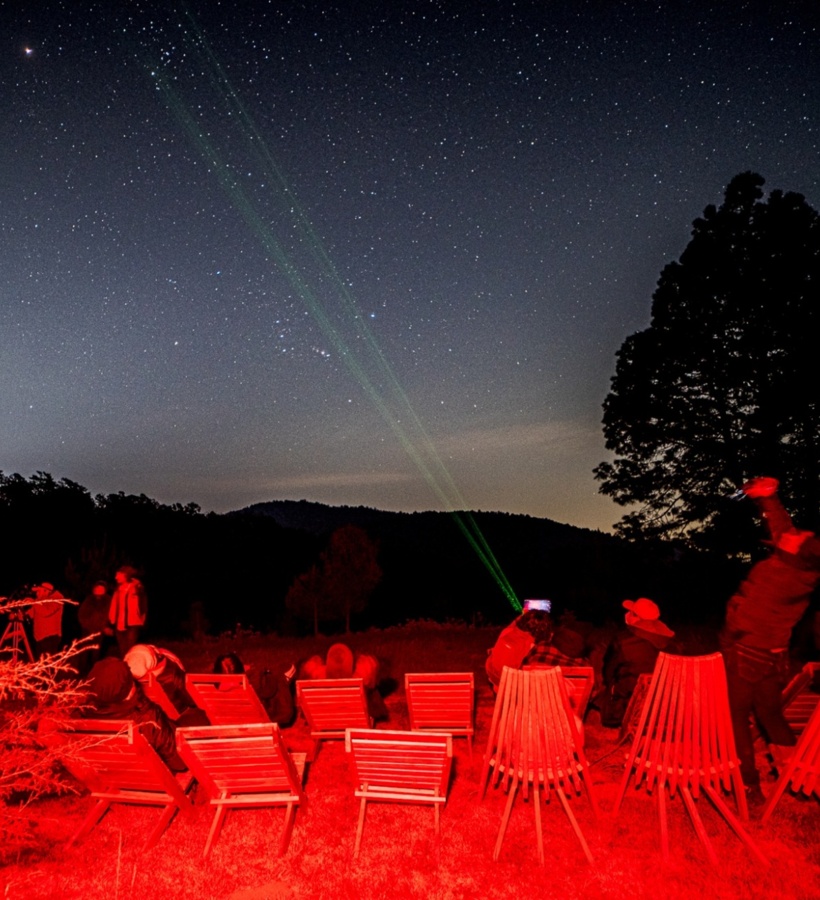
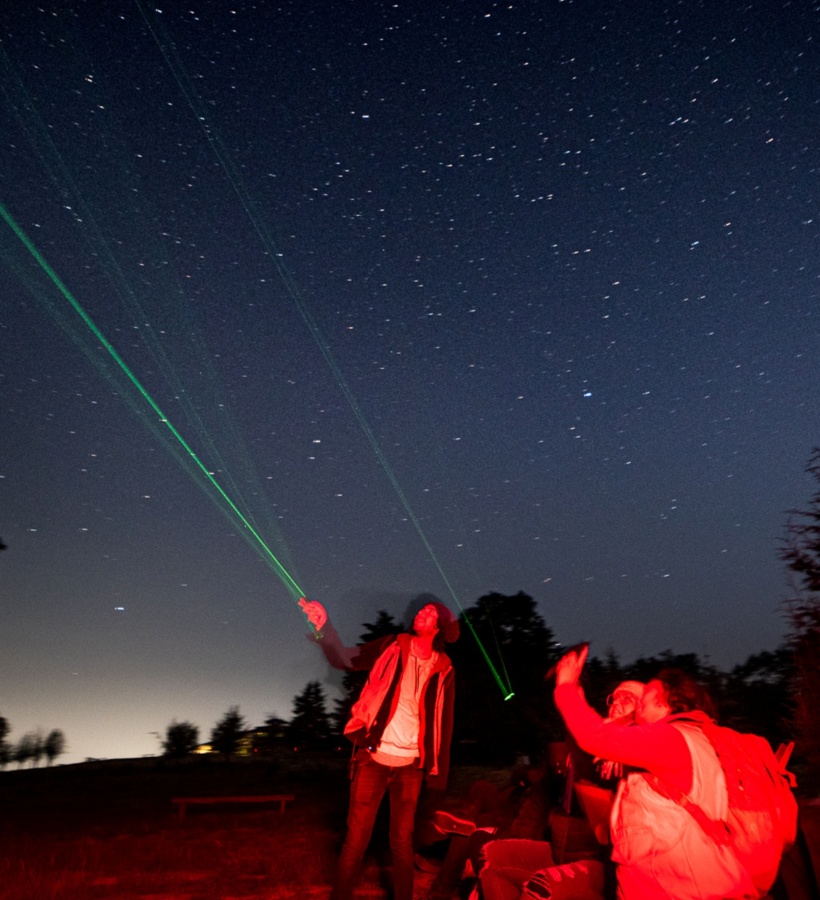
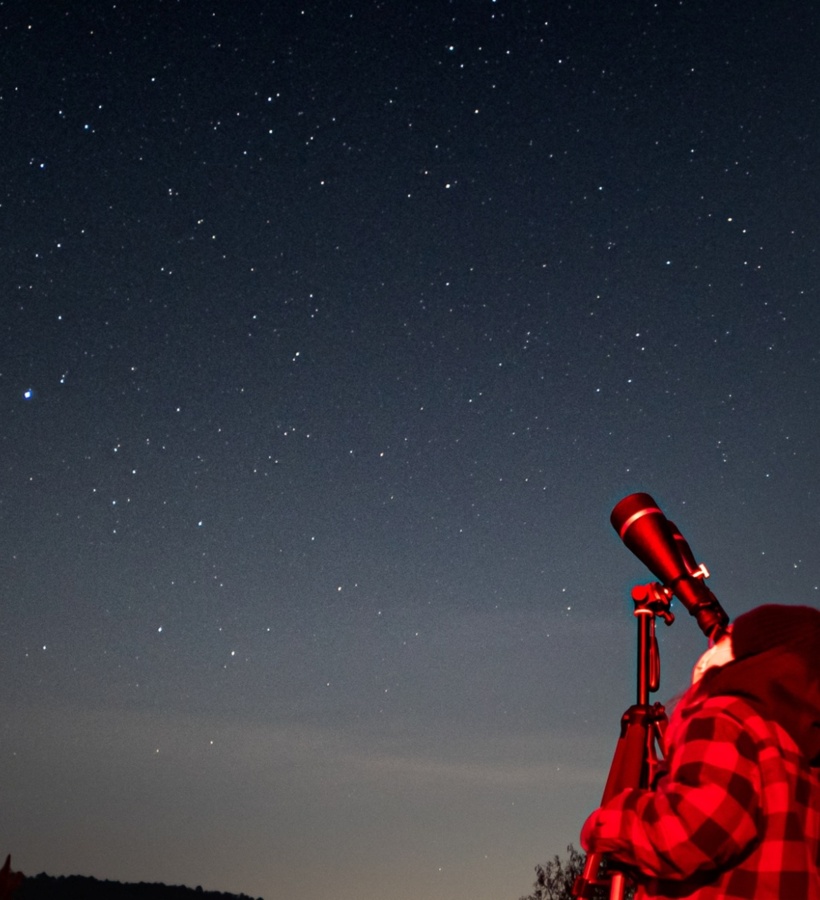
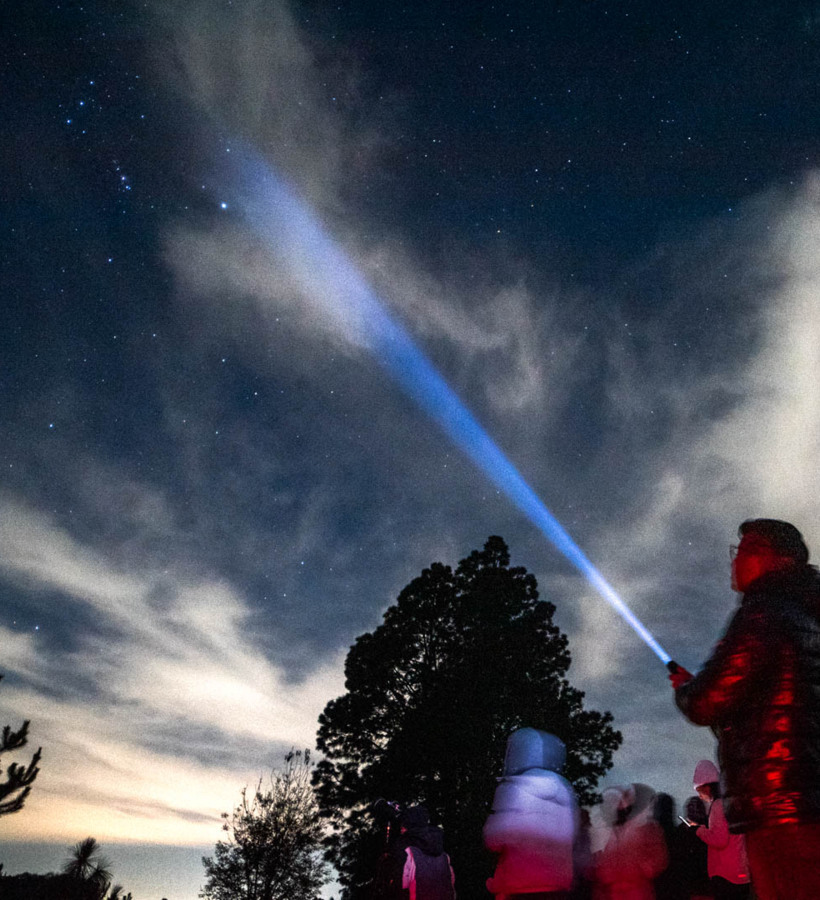
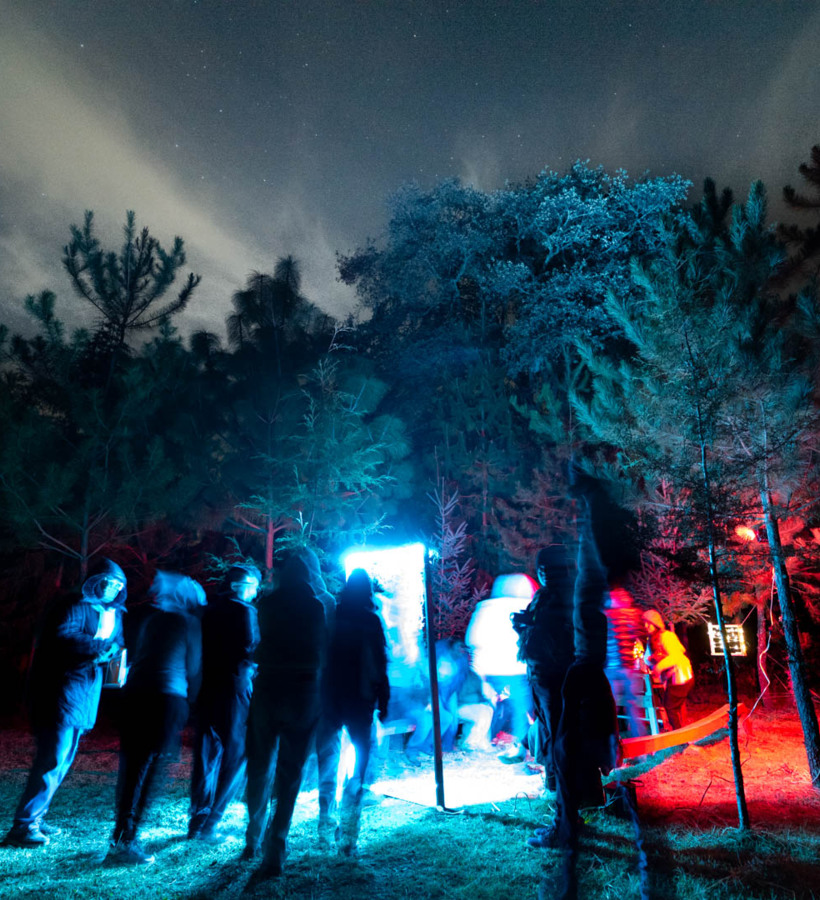
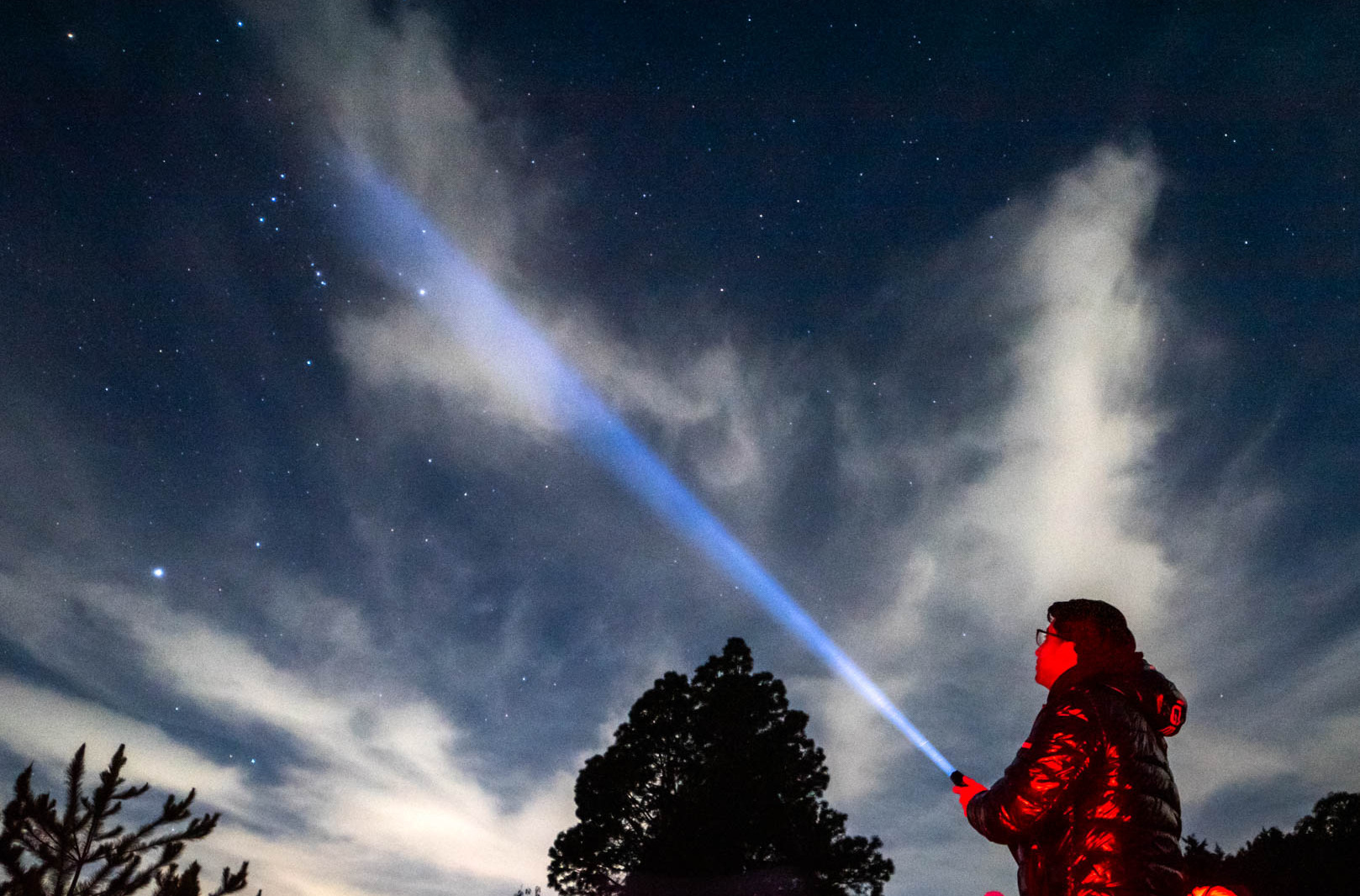
Our telescopes and binoculars will be ready to capture celestial objects, our nature guides will be offering you interesting facts about these phenomena, and some actors will make this walk more fun and reflective, all within our forest.

NIGHT EXPERIENCES
What are the Geminids?
NIGHT EXPERIENCES
What will you experience?
♊ Geminids Meteor Shower Observed with the Naked Eye
Meteors can be seen without a telescope—the entire sky is your screen. Up to 150 flashes per hour under ideal conditions, visible even before midnight, making the Geminids the most accessible meteor shower of the year for families and beginners.
🔭 Telescopes and BinocularsWhile the meteor display continues, telescopes and binoculars are available to explore planets, constellations, and star clusters of December’s winter sky—one of the richest skies of the year in the northern hemisphere.
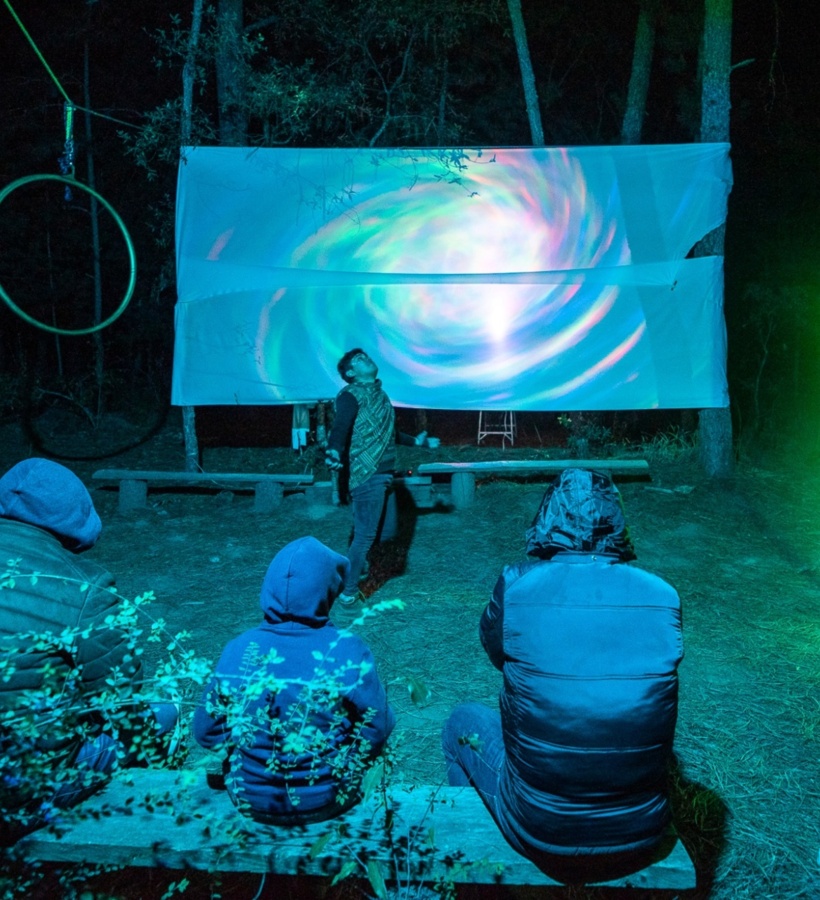
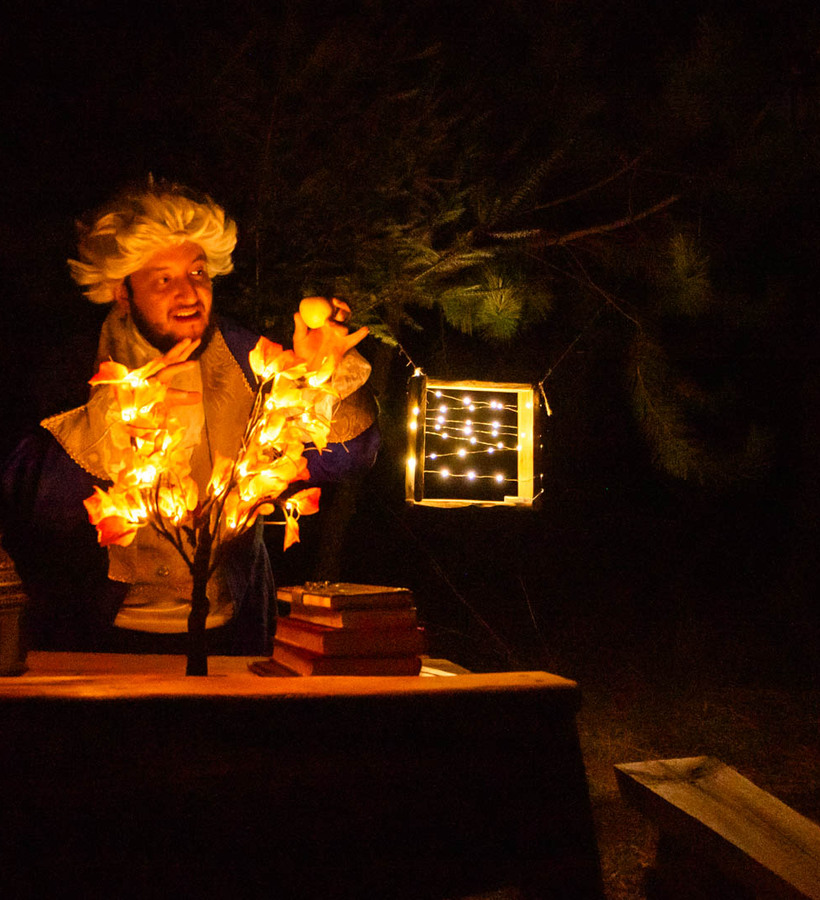
🎭 Theatrical Storytelling in the ForestOur actors bring to life the mythology behind the Gemini constellation—the twins Castor and Pollux of Greek myth—and the stories various cultures have woven around December’s sky.🔥 Open-Air BonfireThe night’s gathering and warmth point. In December, the Nanacamilpa forest can approach 0°C—the bonfire isn’t decoration, it’s the heart of the tour.
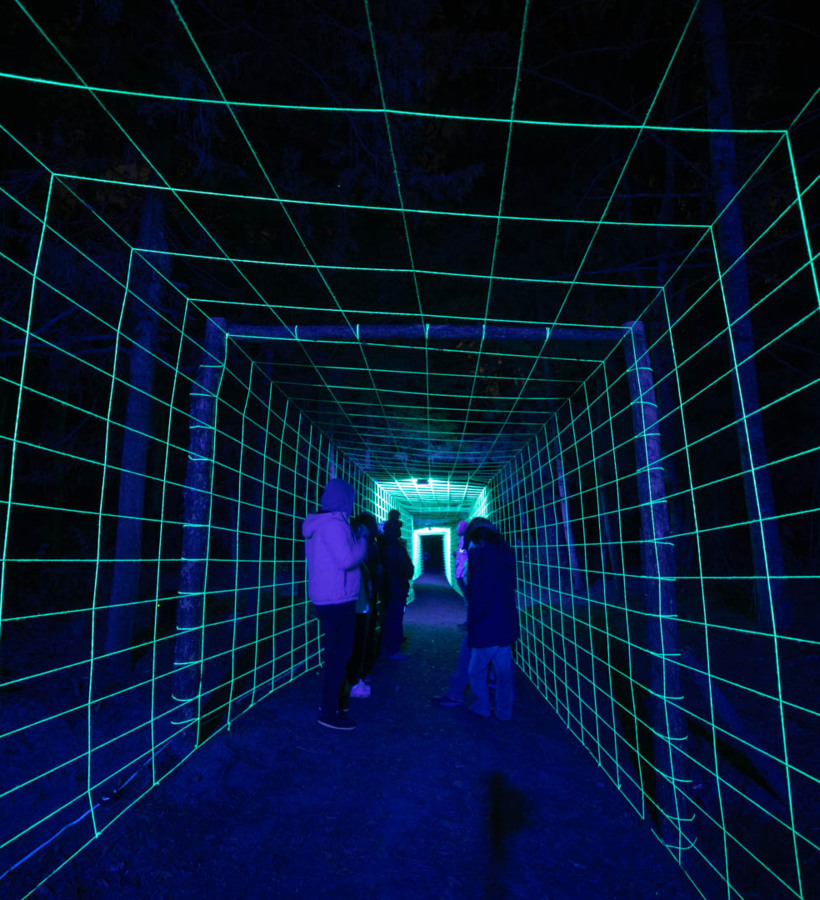
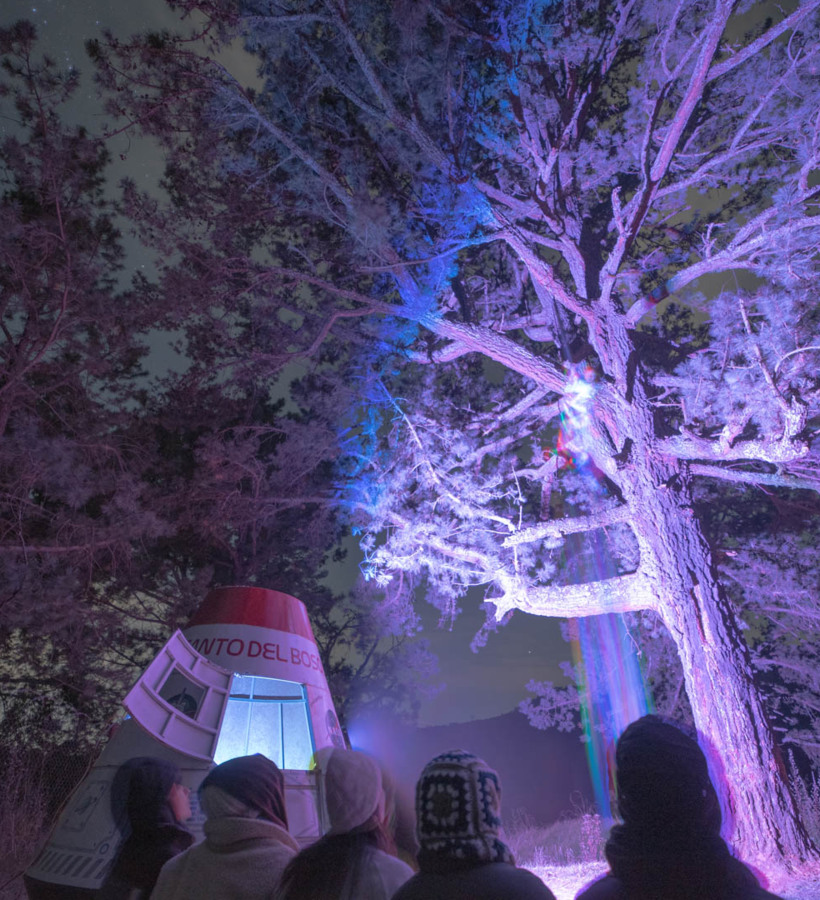
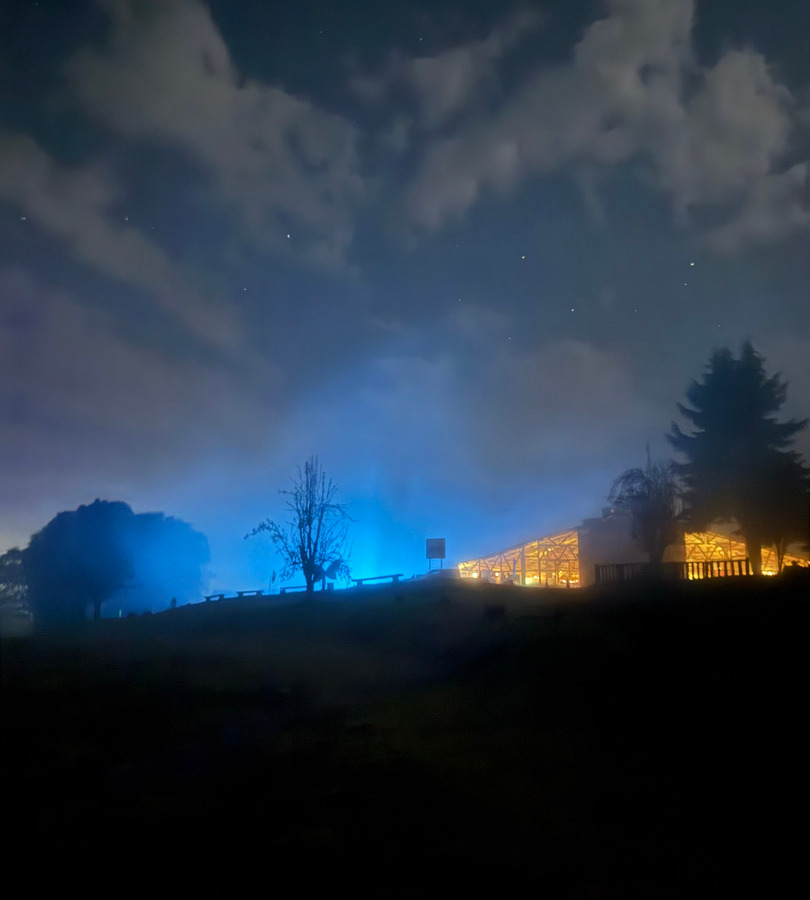
🌲 Night Interpretative WalkThe winter forest has its own magic: sounds, silences, and an atmosphere that doesn't exist by day. The walk is an integral part of the experience.
Night experiences
Dates and key facts
GEMINIDS
Key data table
| 📅 Active Rain | December 11, 12, and 13 |
| 🌟 Peak Night | December 13–14 |
| ⏰ Best Time | From 8:00 PM until dawn |
| ☄️ Peak Meteors | Up to 150 per hour |
| 🎨 Colors | White, green, blue, yellow, and red |
| 💰 Adults and children 12+ | $450 per person |
| 💰 Children under 12 | $350 per person |
| ✅ Includes | Expert guide · Telescopes and binoculars · Theatrical narration · Campfire · Rustic dinner |
| 🏕️ Already booked? | Included in your package at no extra cost |
| 📍 Departure Point | Canto del Bosque, Nanacamilpa |
📅 Unique Dates:
Experience it from November to January:
- October: 20, 21
- December: 9, 10, 11, 12, 13, 14, 15, 16
✨ Important Notes:
Stargazing depends on favorable conditions, such as clear skies and minimal moonlight.
If weather conditions are unfavorable (clouds or rain), the activity may be rescheduled for the same day, at the initial time, as instructed by the guides.
No refunds or rescheduling for dates beyond the same day.
🌟 Enjoy the magic of shooting stars at Canto del Bosque!
Note: Please fill out the following form specifying the dates you wish to participate, so we can send you a personalized offer.
Write to us